The Fitness Advice I’d Ignore If I Were Starting Over
A no-BS look at the fitness advice I would ignore if I had to start over, from soreness and supplements to carbs, cardio, recovery, and consistency.
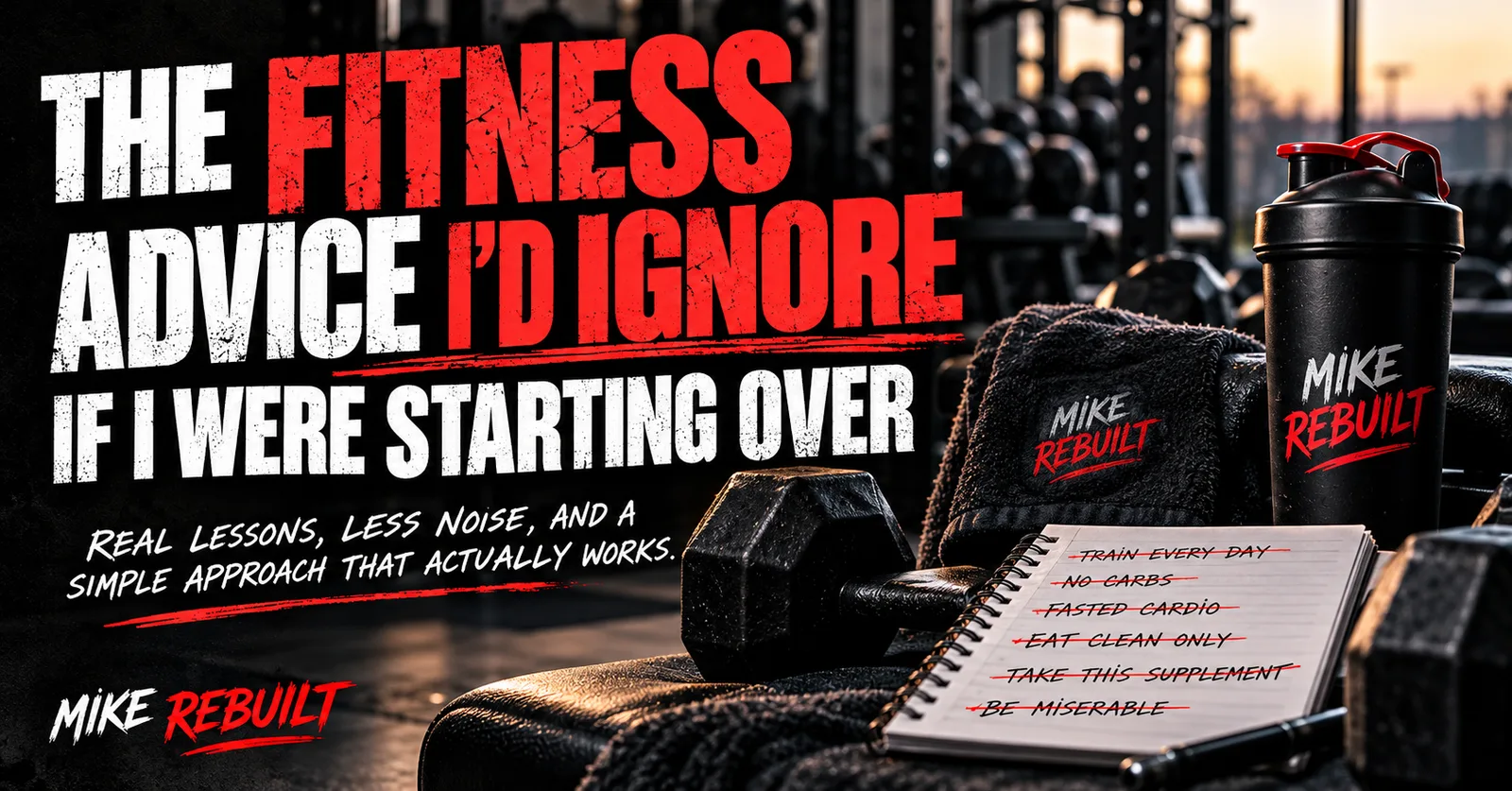
The Fitness Advice I’d Ignore If I Were Starting Over
When I first got serious about fitness, I did what most people do. I listened to anyone who looked like they knew what they were doing. If somebody had visible abs, a shaker cup, and enough confidence to talk like they had personally discovered protein, I was probably paying attention.
Everybody had rules. Train six days a week. Never
eat after a certain time. Cut carbs. Do fasted cardio. Take this supplement. Avoid that food. Push harder. Rest less. Sweat more. Eat clean. Never miss a workout. The problem is that much fitness advice sounds good because it is simple, aggressive, and easy to repeat. That does not make it useful.
If I could go back and start over, I would spend a lot less time chasing perfect plans, magic foods, and whatever new rule somebody on the internet swore was the secret. I would also ignore a lot more advice. Not because all fitness advice is bad. Some of it is excellent. The hard part is figuring out which parts actually matter and which parts are just noise wrapped in confidence.
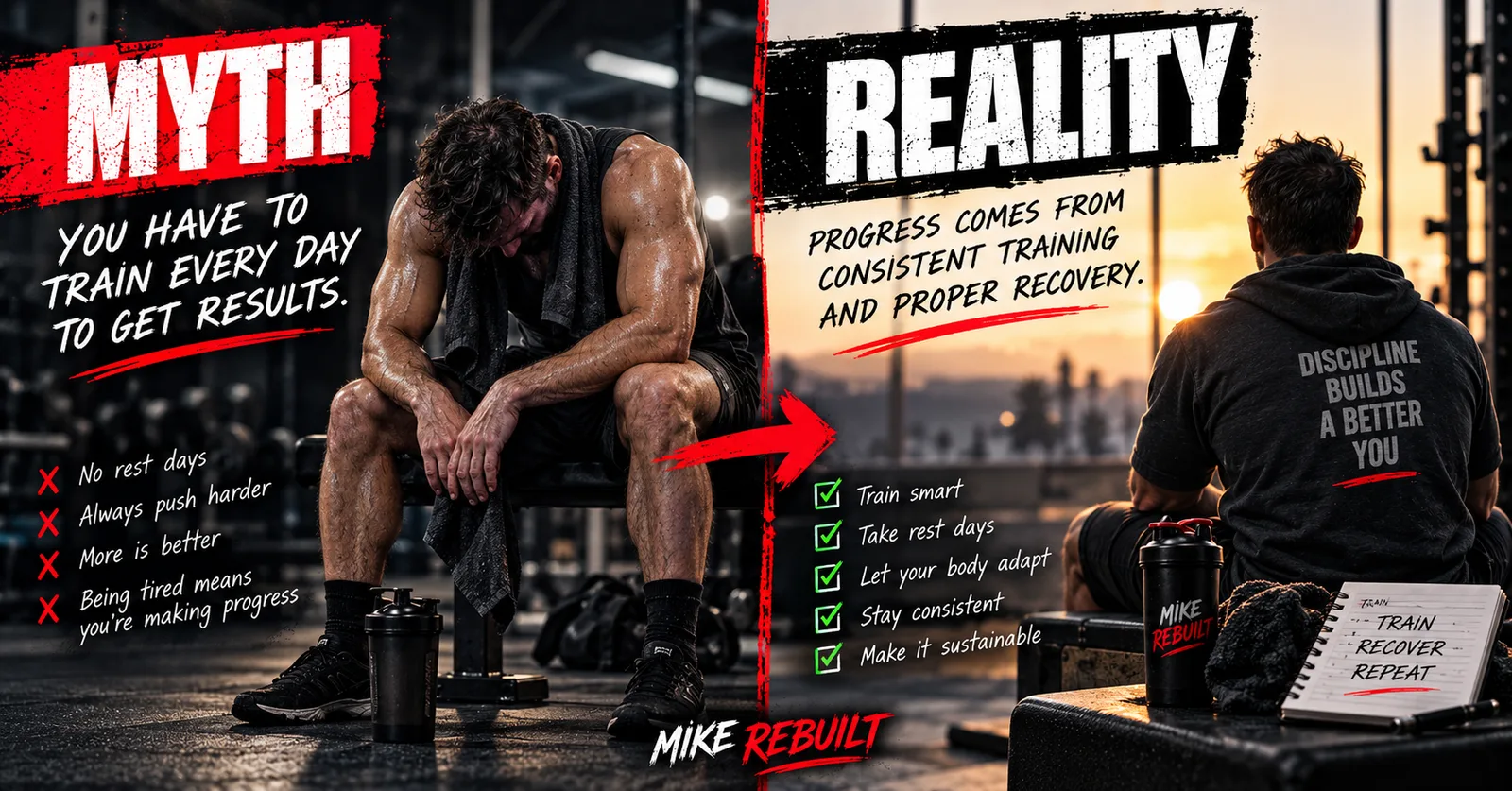
You Have to Train Every Day to Get Results
This one gets repeated constantly, especially by people who treat rest days like a moral failure. You do not need to train every day, and more is not automatically better. Training gives your body a reason to adapt, but recovery is when that adaptation actually happens. If you are constantly beating yourself into the ground, you are not necessarily becoming more committed. Sometimes you are just becoming more tired.
There is a big difference between training consistently and training compulsively. For most people, a solid program done regularly will beat an extreme program that leaves them exhausted, sore, frustrated, and eventually missing workouts anyway. You need enough training to create progress, and enough recovery to keep doing it. That part is not nearly as exciting to post about, which is probably why nobody sells a $79 “rest day masterclass.”
If You’re Not Sore, You Didn’t Train Hard Enough
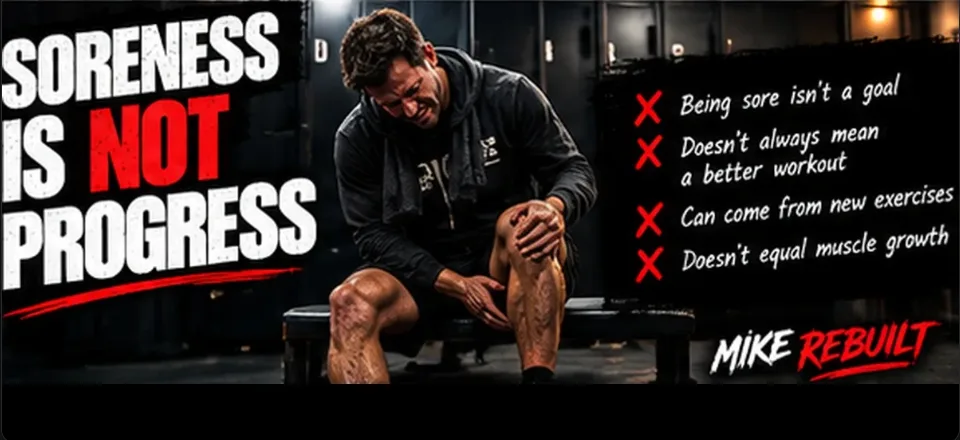
Soreness is not a scoreboard. You can have an excellent workout and wake up the next day feeling completely normal. You can also try a weird new exercise, walk like a baby deer for three days, and gain absolutely nothing magical from the experience.
Soreness usually tells you that your body was exposed to something unfamiliar or more stressful than usual. It does not automatically tell you that the workout was better. If soreness were the goal, we could all just do walking lunges down a staircase after not training for six months and call it elite programming.
A better way to judge your training is by asking whether you are getting stronger, moving better, progressing over time, recovering well, and staying consistent. Being unable to sit on the toilet without using the sink for support is not a required fitness milestone.
You Need to Eat Clean All the Time
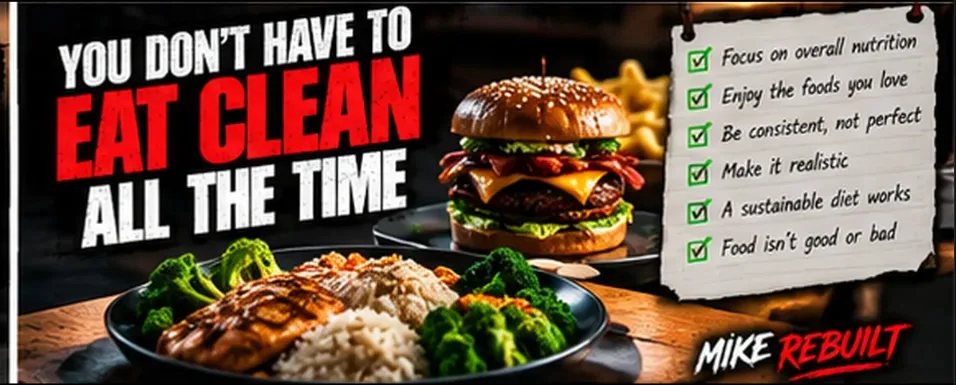
I really dislike the way people talk about “clean” food because it makes nutrition sound like some kind of morality test. Food is not good or bad because it passed a character evaluation. Some foods are more nutrient-dense, some are higher in protein, some are easier to fit into a calorie target, and some are mostly there because they taste good and make life a little less depressing.
You can build a good diet that includes all of those things. If your plan requires you to avoid every restaurant, birthday, holiday, dessert, snack, and enjoyable meal for the rest of your life, that is probably not a nutrition plan. That is a hostage situation.
The goal should be to eat in a way that supports your health, training, and goals while still being realistic enough to maintain. A diet you can follow most of the time for years is far more useful than a perfect one you quit in three weeks.
Carbs Are the Enemy
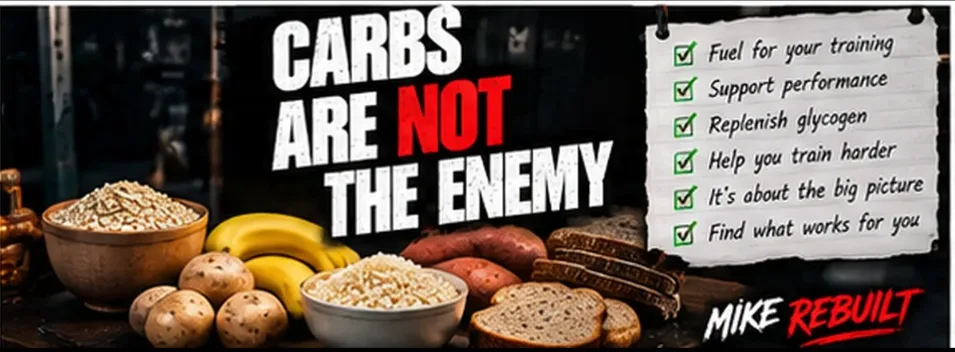
Carbs have been blamed for so much that I am surprised they have not been accused of causing traffic. Carbohydrates are a major fuel source, especially for people who train hard. They help support performance and replenish glycogen, which your muscles use during exercise.
Can some people do well on lower-carb diets? Absolutely. Does that mean carbs are inherently bad? No. People often cut carbs, lose a few pounds quickly, and assume they have discovered the secret to fat loss. Some of that early drop is often water because stored glycogen retains water.
That does not mean the diet is useless. It just means the scale is doing what scales do: giving you a single number without explaining anything. You do not need to fear an entire macronutrient. You need to understand how your overall intake fits your goals. That is less dramatic than “bread is ruining your life,” but it is a lot more useful.
You Have to Do Tons of Cardio to Lose Fat
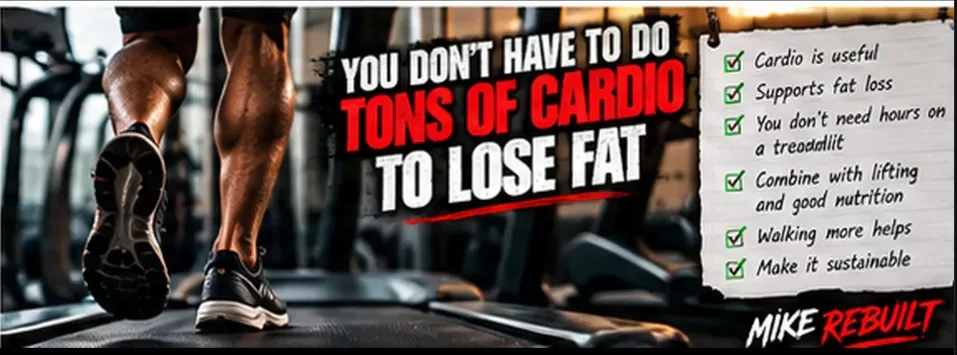
Cardio is useful. Very useful. It can improve cardiovascular fitness, increase your calorie expenditure, and make it easier to create the energy deficit needed for fat loss. What it does not do is give you permission to ignore everything else.
You do not need to spend two hours a day on a treadmill staring at the same wall while questioning every decision that brought you there. For most people, fat loss works much better when you combine reasonable nutrition, resistance training, regular movement, and some cardio, rather than using cardio as punishment for eating.
Walking more is underrated. Lifting is important. Cardio has value. Nutrition matters. There is no reason to make this more miserable than necessary.
Supplements Are What Separate Serious Lifters From Everyone Else
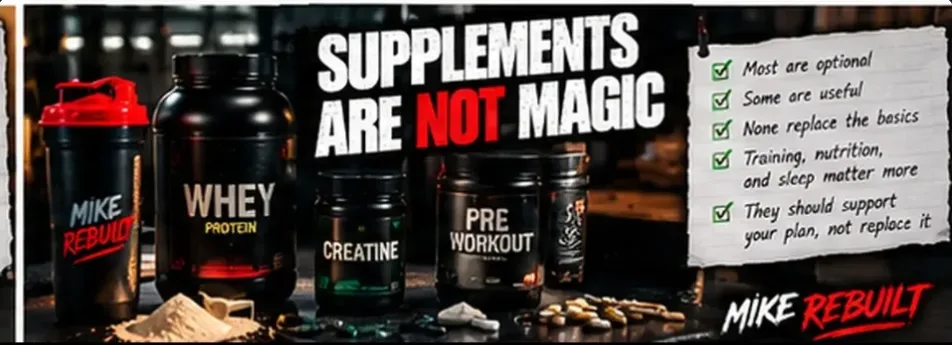
The supplement industry has done an incredible job convincing people that progress is hiding at the bottom of a plastic tub. Most supplements are optional. That does not mean they are all useless. Some are convenient, and some have good evidence behind them. Protein powder can help you hit your protein target, creatine is well studied, and caffeine can improve performance.
But none of them fix bad habits. If your training is inconsistent, your sleep is terrible, your nutrition is all over the place, and your stress is through the roof, adding another scoop of something neon-colored is probably not the missing piece.
Supplements should support the basics, not replace them. A great supplement stack sitting on top of a terrible routine is still a terrible routine.
You Need the Perfect Program
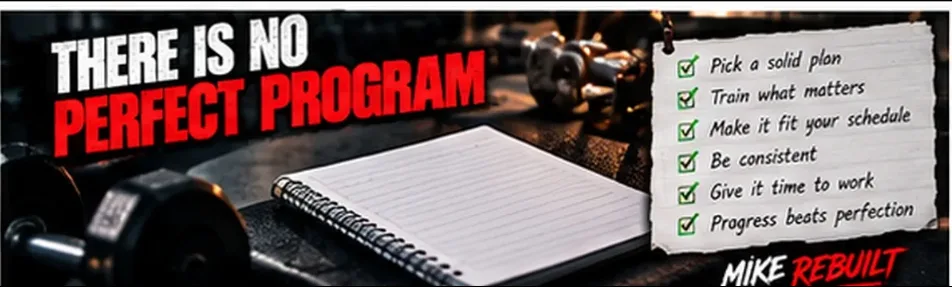
This one wastes an incredible amount of time. People bounce from program to program because the next one looks better, sounds smarter, or has somebody with bigger arms explaining it. There is no perfect program.
There are good programs, bad programs, and programs that work well for one person and terribly for another. The best program for you is one that trains what you need to train, allows for progress, fits your schedule, and is realistic enough that you will actually follow it.
The last part matters more than people want to admit. A technically perfect six-day routine is useless if you only have time to train three days a week. A good three-day plan you follow for months will beat the perfect plan you abandon by Thursday.
Sometimes the boring answer is the right one. Pick something solid and give it enough time to work.
If You Miss a Workout, You’re Falling Behind
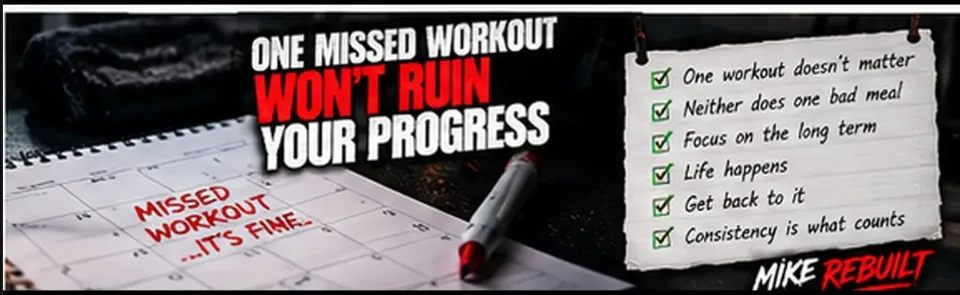
One missed workout does not matter. Neither does one bad meal nor one rough weekend. What matters is what you do repeatedly. This sounds obvious until someone misses one workout and reacts as if their entire fitness career has collapsed.
The all-or-nothing mindset has probably ruined more progress than missing a workout ever did. You are going to get sick, work is going to get busy, life is going to happen, and sometimes you are going to eat more than you planned. Sometimes you'll skip the gym.
None of that requires a dramatic restart on Monday. Just go back to what you were doing. Fitness is not a streak you lose. It is something you return to, and that mindset makes a huge difference.
You Have to Be Miserable to Make Progress
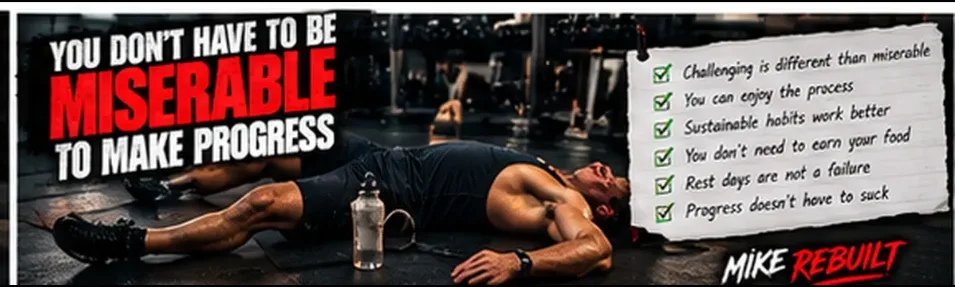
This might be one of the worst ideas in fitness. Somewhere along the way, people started confusing suffering with effectiveness. If the workout was not brutal, it did not count. If the diet was not miserable, it was not serious. If you were not exhausted, hungry, sore, and angry at everybody, clearly you were not committed enough.
That is nonsense. Progress can absolutely be uncomfortable. Training hard is hard. Dieting can be difficult. Changing habits takes effort. But difficult and miserable are not the same thing.
You do not need to hate every workout, dread every meal, earn your food, or feel guilty for taking a rest day. The more sustainable your approach, the more likely you are to stick with it long enough to see results. That is the part people skip because suffering looks more impressive on social media.
There Is One Right Way to Get Fit
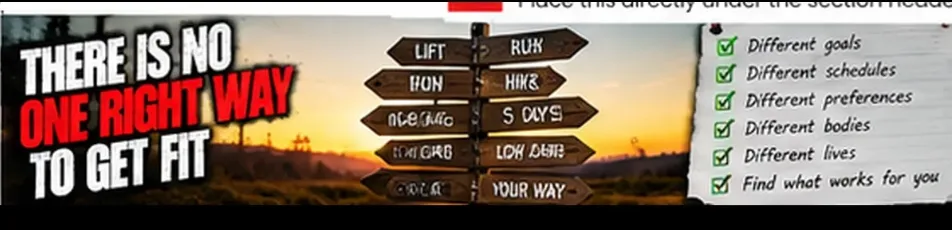
There is not. Different people have different goals, schedules, preferences, injuries, experience levels, and lives. Some people love running, and some hate it. Some people enjoy lifting five days a week, while others can make excellent progress with three days a week. Some people do well tracking every gram of food, while others need a looser structure.
The right approach is the one that gets you where you want to go without making your life impossible. That approach may also change over time. What worked for you five years ago may not be what works best now.
That does not mean you failed. It means you adjusted, and that is exactly what good training and nutrition should allow you to do.
What I’d Focus on Instead
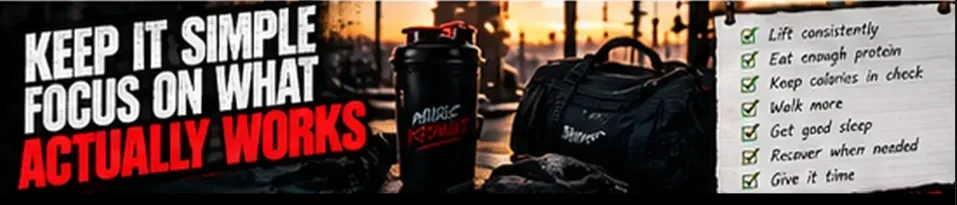
If I had to start over today, I would keep things much simpler. I would lift consistently, eat enough protein, keep my calories in line with my goals, walk more, do some cardio, sleep as well as I could, and recover when I needed to. I would also stop trying to make every workout heroic.
Most importantly, I would stop looking for shortcuts and give the process more time than I thought it needed. That is probably the biggest lesson. Most people do not fail because they chose the wrong supplement, exercise split, or carb source. They fail because they make fitness harder than it needs to be.
They change plans too often, expect results too quickly, chase extremes, and get frustrated when real progress takes time. The basics are not exciting, they do not look impressive on a thumbnail, and they will not make you feel like you discovered some secret nobody else knows. But they work.
If you do them long enough, they can change a lot more than just how you look.
Final Thought
If you are starting out or starting over, you do not need to know everything. You do not need the perfect plan, perfect motivation, or a notebook full of rules from random people online. You need a few good habits, a plan that makes sense, and enough patience to let it work.
Ignore more noise, keep the useful stuff, and give yourself enough time actually to see what happens.
Keep reading
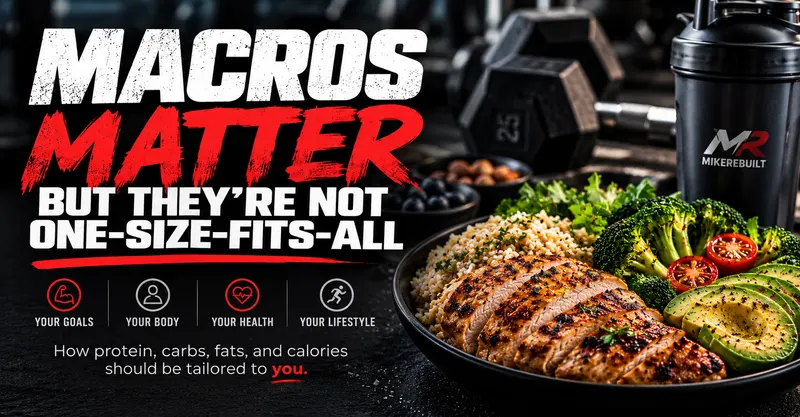
Macros Matter, But They’re Not One-Size-Fits-All
There is no perfect macro split for everyone. Your goals, training, age, health, and lifestyle all play a role in how much you should eat and where those calories should come from.
Read the post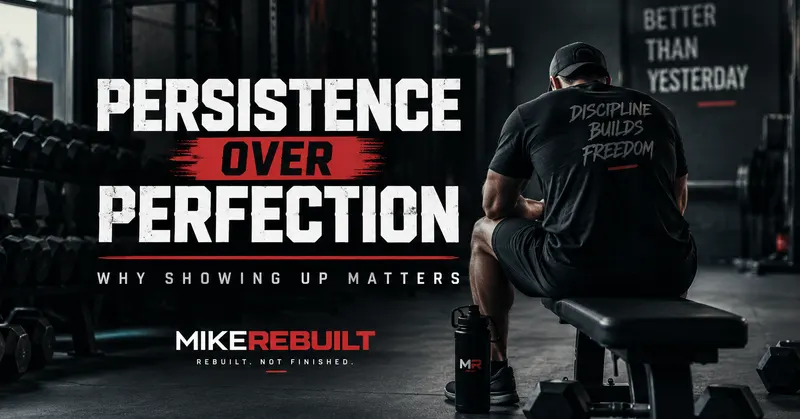
Persistence Over Perfection: the power of showing up
Consistency beats perfection. Discover why showing up, building sustainable habits, and staying persistent matter more than having a perfect workout every time.
Read the post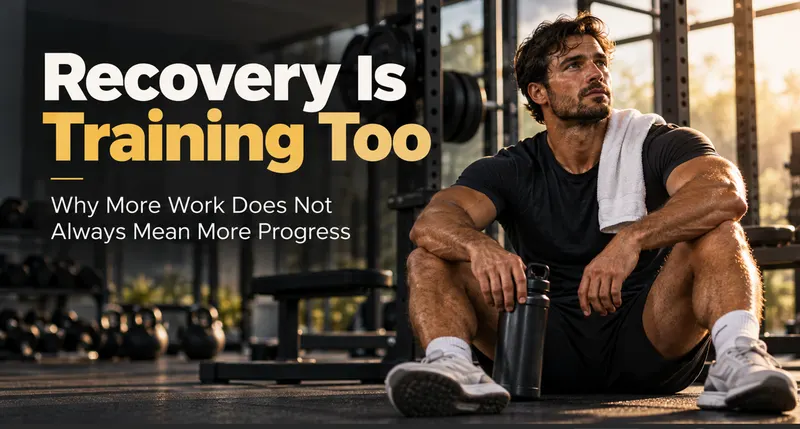
Recovery Is Training Too: Why More Work Does Not Always Mean More Progress
Training hard matters, but progress depends on what happens between workouts, too. Learn how sleep, fatigue, training volume, rest days, and recovery affect strength, muscle growth, and long-term performance.
Read the post